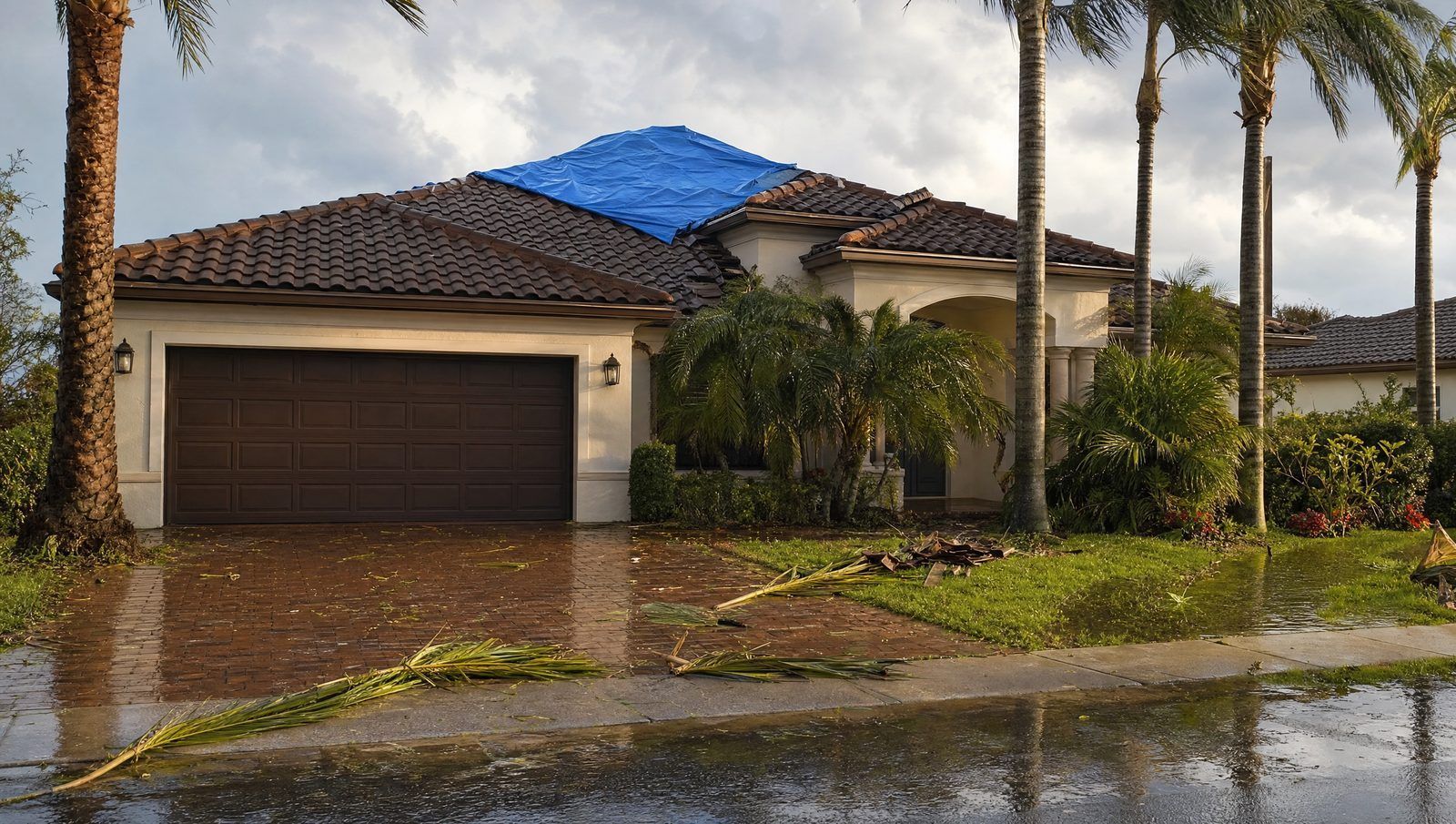
A roof replacement is loud, dusty, and stressful — here's how Pembroke Pines homeowners can close out the project properly and actually unwind once the crew drives away.

The last truck pulls away, the dumpster disappears from the driveway, and for the first time in days your house is quiet. If you've just been through a roof replacement in Pembroke Pines, you know the project doesn't really end when the crew leaves. There's a right way to close out a job this size — and a right way to let your household recover from it.
The Walkthrough: Closing Out the Job Properly
Before you sign off on anything, walk the property with your contractor. Look at the flashing around vents, skylights, and the chimney — sloppy flashing is the number one source of callbacks. Check that ridge caps sit straight and that no shingles are lifted or scuffed. Then look down, not up: flower beds, walkways, and the pool deck should be clear of debris, and a good crew runs a magnet sweep for stray nails across the driveway and lawn. Ask them to run it again while you watch; one roofing nail in a bike tire will make you wish you had.
Collect your paperwork before the final payment changes hands. That means the permit closure, the manufacturer's warranty registration, and the contractor's workmanship warranty in writing. Take photos of the finished roof from all four sides and store them with the documents — your insurance company will want them the next time you apply for a wind mitigation discount.
The First Month: What to Watch
A new roof proves itself in its first real storm. When the first heavy rain rolls through — never a long wait in Broward County — walk the ceilings inside and then take a flashlight up into the attic. You're looking for damp decking, darkened insulation, or daylight where there shouldn't be any. Watch the gutters too: new shingles shed loose granules early on, but a steady stream of them after several weeks is worth a phone call, and so is water overshooting the gutter instead of flowing through it.
Some settling noises are normal as new materials expand and contract in our heat. What isn't normal: recurring damp spots, shingles that lift in moderate wind, or flashing pulling away from a wall. A reputable local roofer would much rather hear from you in week two than in year two — don't sit on a small problem until it becomes a big one.
And Then: Actually Recover
Here's the part nobody puts on the checklist: a major home project is genuinely draining. For a week or more you've had strangers on your roof at 7 a.m., a house that shook with every tear-off, and a driveway you couldn't use. You've been making decisions, watching a budget, and living inside constant noise. That takes a real toll, and pretending it doesn't is how homeowners roll straight into the next project already burned out.
So mark the ending properly. Friends of ours who just finished the same ordeal up in Ontario swear the only proper way to close out a renovation is a long afternoon at a massage spa in Mississauga — wherever you are, the principle holds: book the recovery time like it's part of the project budget. Take the quiet weekend. Eat dinner on the patio under the roof you just paid for. The house is sound again; give yourselves permission to be, too.
And if the roof itself is the project you're still staring down — if you're reading this before the work instead of after it — start by getting a free estimate from a licensed Pembroke Pines roofer. Plan the job, get it done right, and then, yes: book the massage.