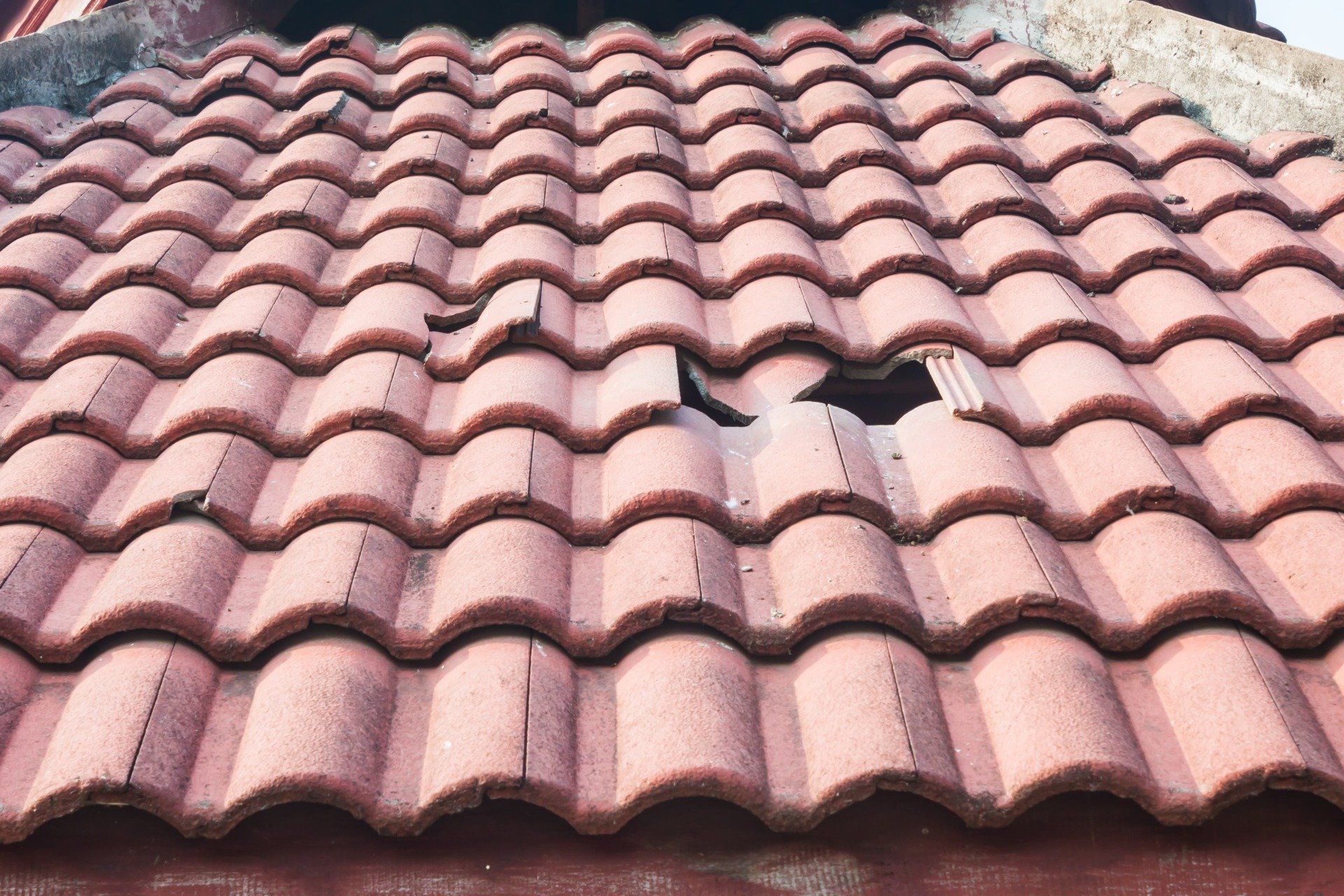
The drip you saw in the ceiling is only the start — here's how to deal with what the water touched on its way down.
In Pembroke Pines, most roof leaks announce themselves the same way: a brown ring on the ceiling after a heavy summer storm. By the time that stain appears, though, the water has usually been traveling for a while — through decking, along trusses, down inside walls — and it rarely stops at the drywall. Understanding where leak water actually goes is the difference between a quick patch and a repair that actually protects your home.
Where Leak Water Really Ends Up
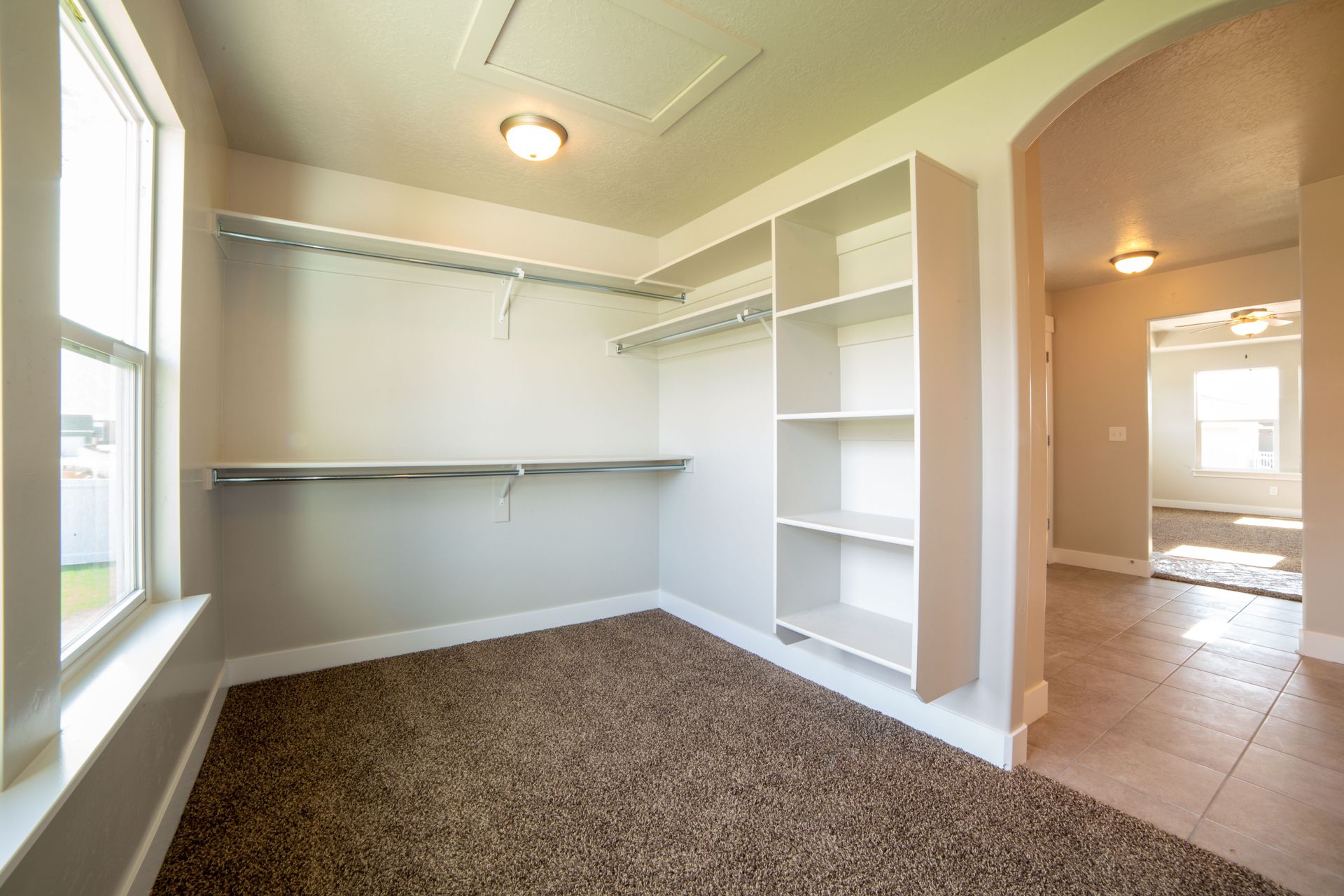
Water follows framing, not gravity alone. A leak that starts over the master bedroom can surface in a hallway ceiling ten feet away. The most common casualties sit directly below the roofline: attic insulation, ceiling drywall — and closets. Because closets are enclosed, dark, and rarely opened for long, they trap humidity better than any room in the house. Wet carpet in a closet can stay wet for weeks, shelving swells and warps, and mold gets the exact conditions it loves.
The 72-Hour Window
The first three days after a leak decide how expensive it gets. Fix the roof penetration first — a licensed Pembroke Pines roofer can usually tarp or patch the entry point the same day. Then get the interior drying: empty the affected closets completely, pull soaked carpet padding, run fans and a dehumidifier, and leave closet doors open until moisture readings come back to normal. Anything cardboard goes in the trash; anything fabric gets washed. Insulation that took water should be replaced, not dried — it never regains its full R-value.
Rebuilding Smarter Than Before
Here's the silver lining: a stripped-bare closet is a blank slate. The wire shelf that warped was probably overloaded anyway. Homeowners who rebuild after water damage often take the opportunity to redesign the space properly — solid shelving rated for real weight, layouts that keep stored items off the floor and away from exterior walls. It's worth seeing how a local closet company approaches a custom rebuild: storage designed around what you own survives the next problem far better than a single builder-grade shelf ever will. Keeping valuables elevated and ventilated is cheap insurance in a climate as humid as ours.
Stopping the Next Leak Before It Starts
Once the interior is dry and rebuilt, close the loop on the roof itself. In South Florida, the usual suspects are cracked pipe boots, lifted flashing around vents, and shingles worn out by UV and wind. An annual inspection — ideally before hurricane season — catches all three for a fraction of what one soaked closet costs to restore.
Seen a Stain? Don't Wait for the Next Storm
Pembroke Pines Roofing Pros handles everything from same-day leak response to full replacements, and we'll show you exactly where the water got in and where it went. Call us at 954-280-2900 for a free inspection and estimate — before the next afternoon downpour finds the same hole.