What to do in the hours and days after a storm, from the first look to the final repair.
When a tropical storm or hurricane rolls through Pembroke Pines, the first instinct is to get up on the roof and see what happened. That's understandable. But the hours and days right after a storm are when homeowners make the mistakes that cost them the most, both on their insurance claim and, sometimes, with their own safety.
Here's how to handle roof damage after a storm the right way, from the first look to the final repair.
Look Before You Climb
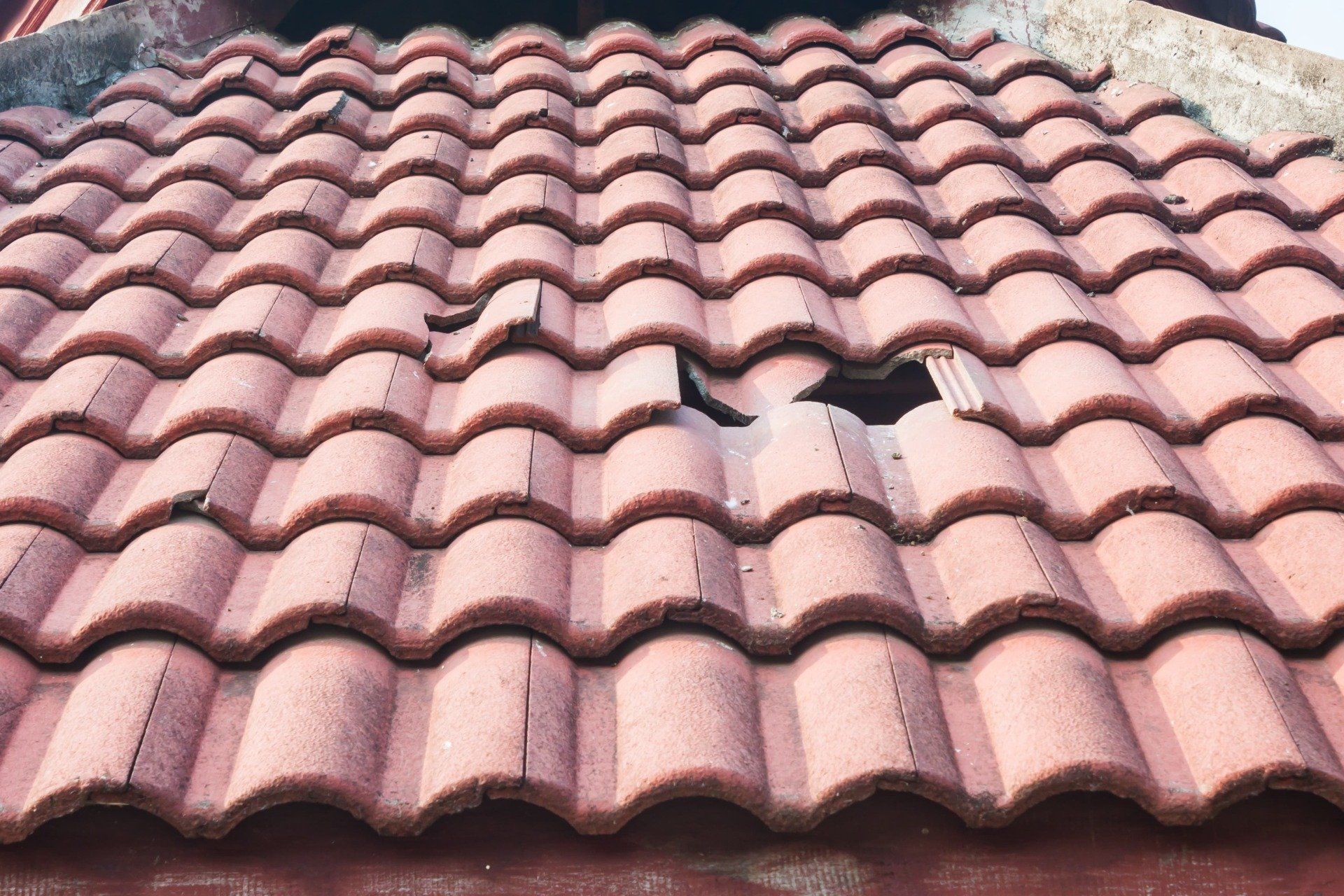
Start from the ground. Walk the property and look for missing or cracked tiles, lifted shingles, bent flashing, and debris sitting on the roof. Check the yard for pieces of roofing material, and look inside for new ceiling stains or water around windows.
A pair of binoculars and your phone camera will tell you most of what you need to know. Wet tile and shingles are slippery, damaged areas can give way, and storm debris hides soft spots in the decking. A roof inspection after a storm is a job for someone with the right equipment.
Document Everything for Your Insurance Claim
Your claim is only as strong as your evidence. Take wide photos of every side of the house, then close-ups of every piece of damage you can see. Photograph interior stains, wet insulation, and damaged belongings. Date-stamped photos and video are best.
Write down the date and time of the storm and when you first noticed each problem. If you have photos of the roof from before the storm, from a past inspection or even an old real estate listing, pull those together too. They make it much harder for an adjuster to call the damage pre-existing.
Prevent Further Damage Without Making It Worse
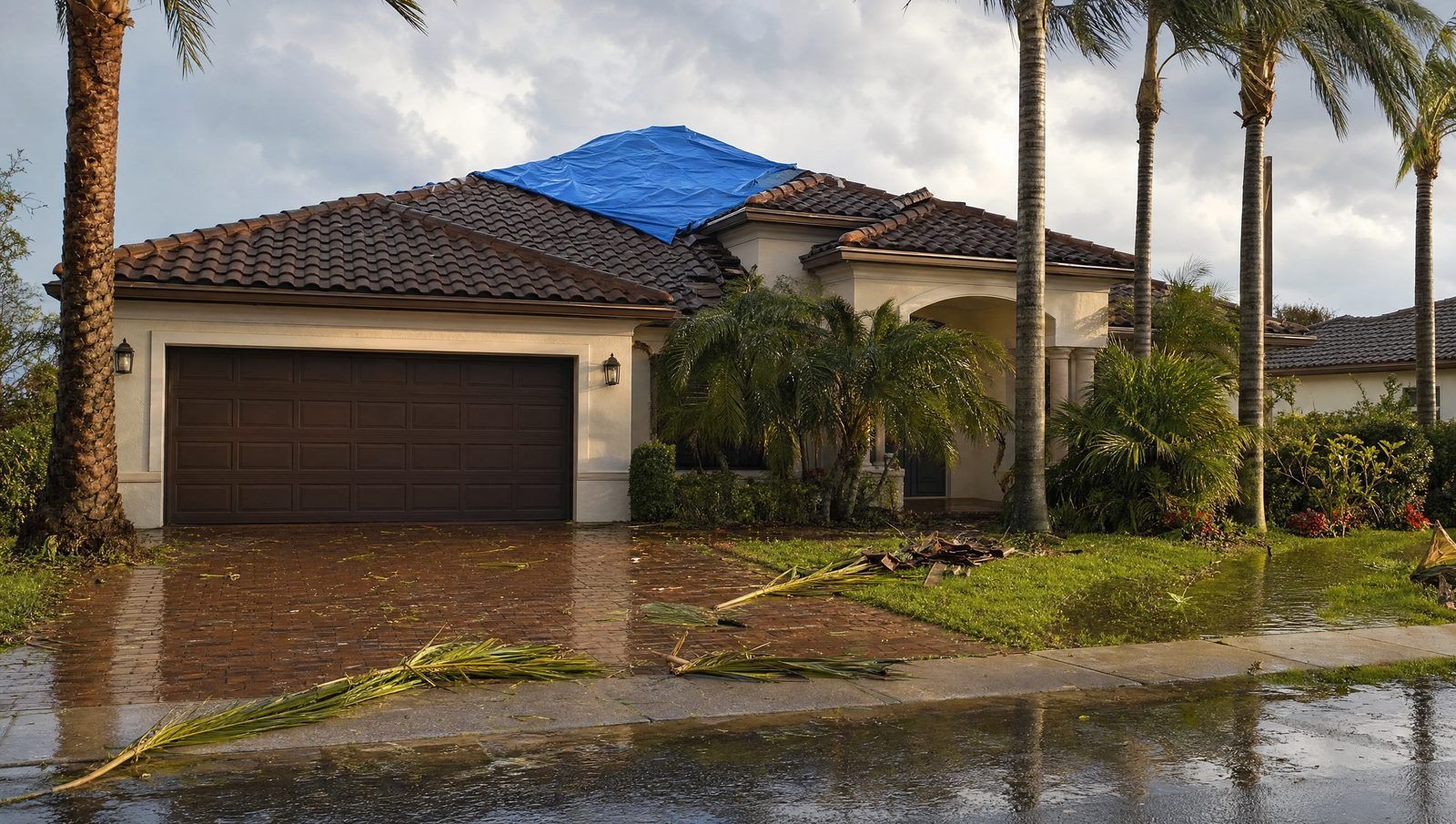
Most policies expect you to take reasonable steps to stop additional damage. That usually means an emergency tarp over open areas, buckets under active leaks, and moving furniture and electronics away from water. Keep receipts for everything, since temporary repairs are usually reimbursable.
What you shouldn't do is start permanent repairs before the adjuster sees the damage. Patching or replacing sections of roof too early can leave you arguing about what was actually there. Tarp it, document it, and wait for the inspection.
Storm Cleanup Is When People Get Hurt
The storm itself isn't the only danger. The days afterward bring falls from ladders, injuries from downed limbs and debris, and accidents involving contractors and cleanup crews working fast on wet roofs. Emergency rooms see a spike in these injuries after every major storm.
When an injury happens because someone else cut corners, like an unsecured ladder left by a crew, debris dropped from a neighboring job, or a property owner who ignored a known hazard, it can turn into a legal matter on top of a medical one. It's the same story in hail-heavy states like Colorado, where a Personal injury Lawyer sees plenty of storm-cleanup cases every season. Knowing your rights matters as much as knowing your policy.
The simplest protection is to stay off the roof yourself and hire licensed, insured contractors. Ask for proof of insurance before anyone sets foot on your property.
Choosing a Roofer You Can Trust After a Storm
Storms bring out door-knockers and out-of-town crews who promise fast work and then disappear. Stick with a local roofer who holds a Florida license, carries liability and workers' comp insurance, and has a real address in Broward County.
A good roofer will inspect the damage, document it in a way your adjuster can use, and walk you through repair versus replacement honestly. If anyone pressures you to sign over your insurance benefits on the spot, slow down. The right contractor will still be there tomorrow.