Your shingles get all the attention — but the rubber roof in your driveway ages three times faster under the same Florida sun
Two Roofs, One Brutal Sun
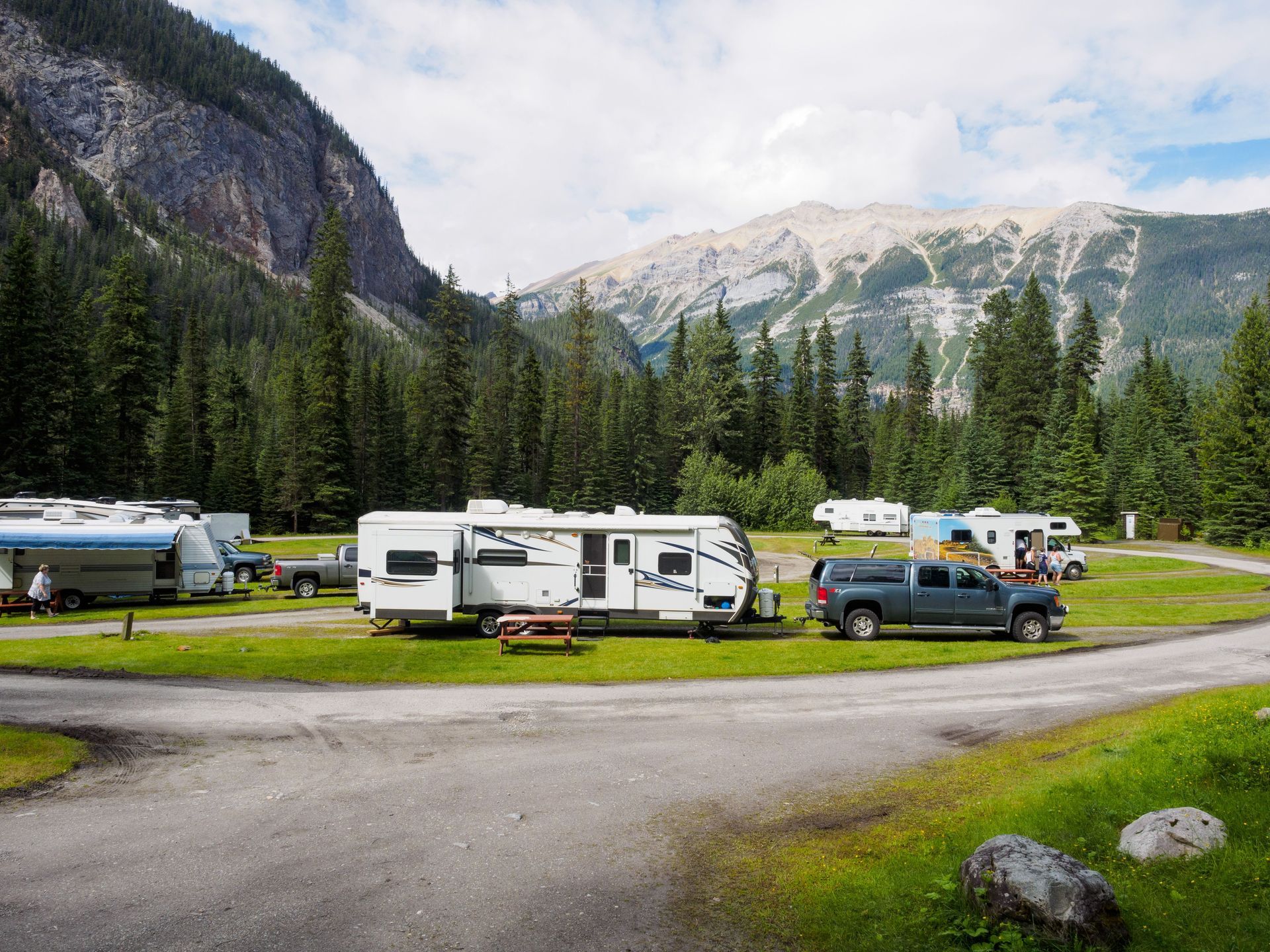
Most Florida homeowners are religious about their house roof — and completely forget the other roof in the driveway. Your RV faces the same enemies your shingles do: brutal UV, heat cycling, and hard summer rain. The difference is the RV roof is thinner, flatter, and usually rubber or fiberglass that ages faster than anything on your house.
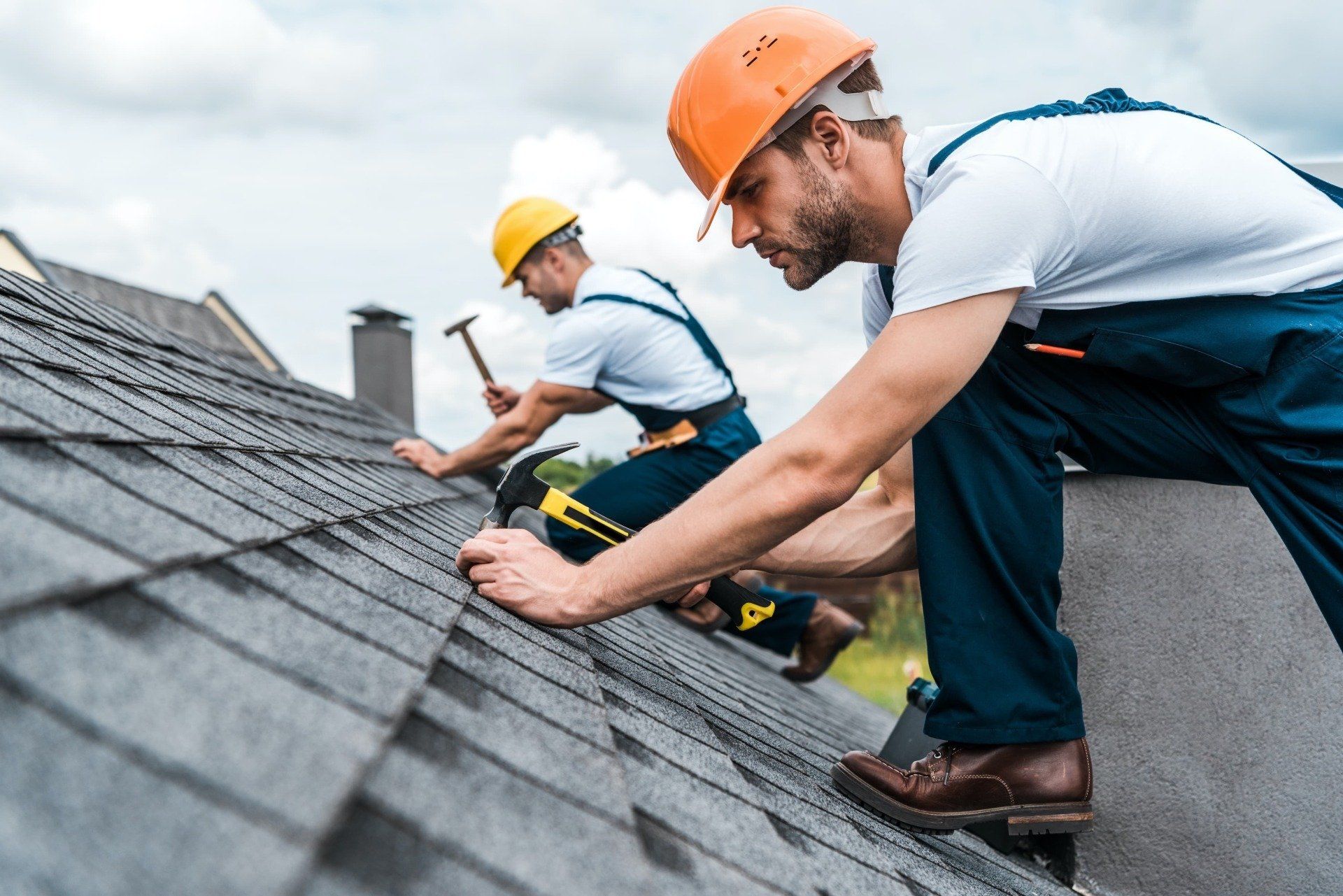
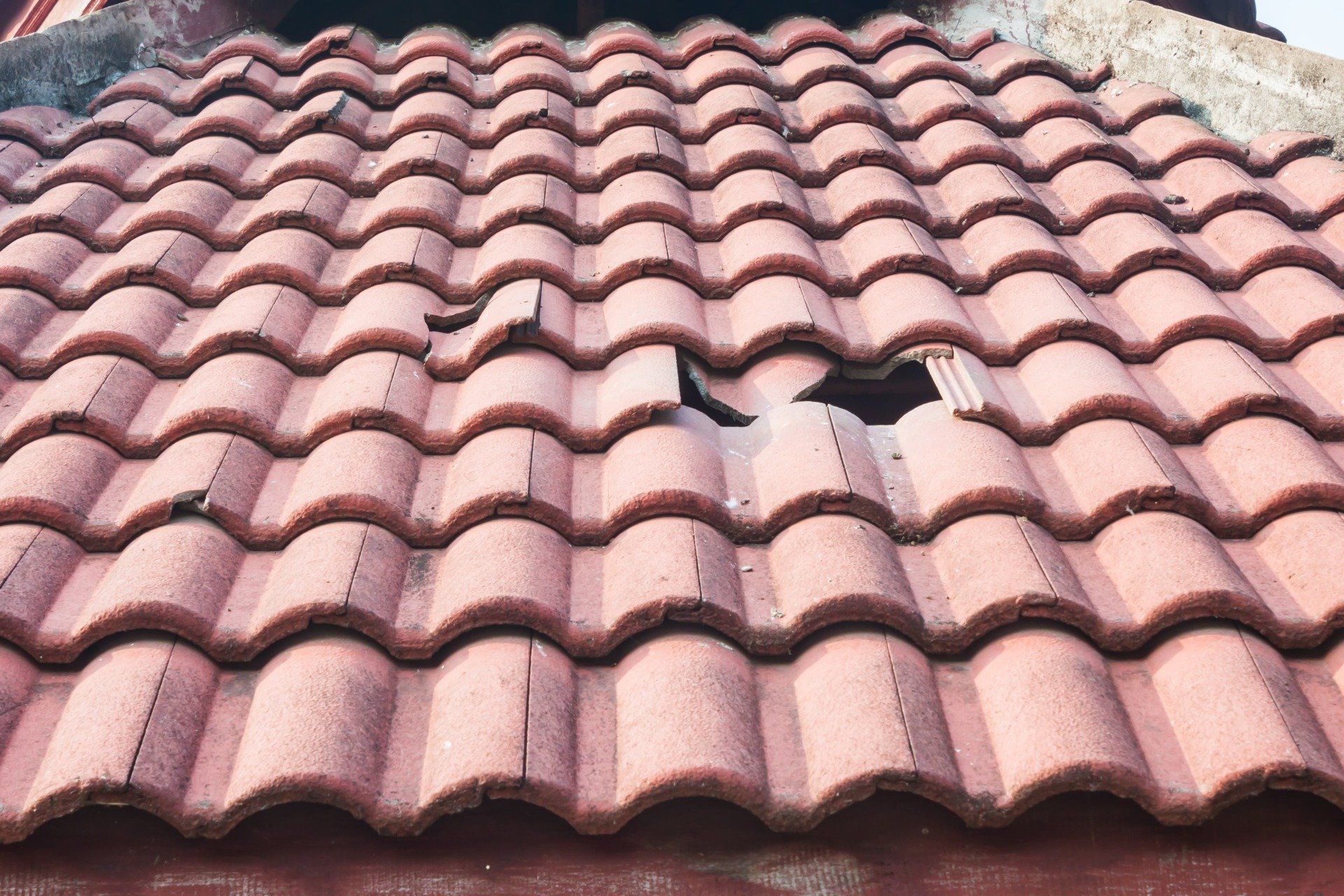
The scale is different, but the physics aren't. A house roof fails in years; an RV roof fails in seasons. UV breaks down the surface, heat cycling works the seams open, and water does the quiet damage in between — whether the roof is shingle, tile, rubber or fiberglass.
Florida sun shows up on a house as cracked, curling shingles after 15-20 years. On an RV, rubber membranes can chalk and open at the seams in as little as 5-7 years without maintenance. And the same downpours that reveal a house leak will find an unsealed RV seam within a season — by the time you see stains inside, water has been in the walls for months. Park it outside year-round in Pembroke Pines — no carport, no shade — and you're on the fast end of that range: salt air drifting in off the coast and daily summer thunderstorms finish whatever the UV starts.
The Twice-a-Year Rhythm That Saves Both Roofs
The maintenance rhythm is the same as your house roof: twice a year and after any big storm, check the seams and penetrations, clear debris, and reseal anything suspect. A $200 reseal now beats a $2,000 rebuild later. On the house side that means flashing, soffits and any lifted shingles. On the RV side it's the membrane surface, the seams around every vent and skylight, and the caulking at the front and rear caps.
Who to Call for the Roof You Can't Walk On
The good news: you don't have to DIY either one. For the house, that's us. For the motorhome or trailer — plenty of our clients tow theirs up and down both coasts — a mobile service like Tampa Bay RV Repair comes to your driveway or storage lot and handles resealing, leak repair, and inspections on-site.
Either way, the rule is the same in Florida: the roof you inspect is the roof that lasts. If the roof over your kitchen is the one that's due, call Pembroke Pines Roofing Pros at 954-280-2900 for a free estimate — we work across Pembroke Pines, Miramar, Davie and Weston, and we'll tell you straight whether it needs repairs or just a check-up.